

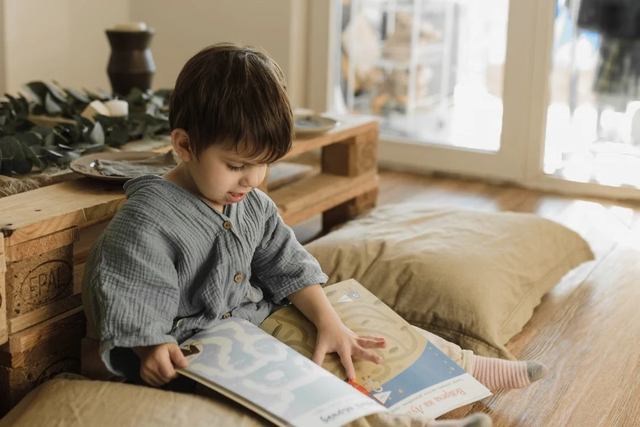
Reading is more than a way to gain information or pass the time. It introduces readers to new perspectives, develops imagination, and creates opportunities to understand people and experiences beyond their own. However, building a consistent reading habit takes time, particularly for children who are still discovering what they enjoy reading.
Parents and educators often focus on choosing the right books, but the activities surrounding reading can be just as important. Asking questions, discussing characters, exploring unfamiliar words, and connecting stories to everyday experiences can make reading more engaging.
A combination of enjoyable books and simple learning activities can help young readers develop confidence while gradually building skills that support them throughout their education.
Why Developing a Reading Habit Early Matters
Children who regularly read have opportunities to expand their vocabulary, improve language skills, and become more comfortable understanding written information. Reading also encourages curiosity because every book introduces ideas, settings, characters, and situations that may be unfamiliar.
The benefits extend beyond language development. Stories often present moral choices, emotional challenges, and different viewpoints. Discussing these elements can help children think critically and understand perspectives other than their own.
However, encouraging children to read should not feel like an additional school assignment. Giving them access to different genres, allowing them to choose books based on their interests, and creating a relaxed reading environment can make the experience more enjoyable.
A child interested in animals might begin with illustrated wildlife books, while someone fascinated by adventure could prefer mystery stories or fantasy novels. The important thing is to make reading feel like an activity worth returning to.
Making Reading More Interactive
Simply finishing a book does not always mean that a child has understood or remembered everything they read. Interactive activities can help turn reading into a more thoughtful experience.
Ask Questions About the Story
After reading a chapter or short story, parents can ask a few simple questions. What was the main event? Why did a character make a particular decision? What might happen next?
These conversations encourage children to pay attention to details and think about the meaning behind the text. Open-ended questions are especially useful because they allow children to explain their reasoning rather than simply repeat information.
Encourage Creative Responses
Children can respond to stories in different ways. They might draw a favourite scene, write an alternative ending, describe a character, or create a short continuation of the story.
These activities connect reading with creativity and give children an opportunity to express their understanding in a format they enjoy.
For younger readers, drawing a picture of a story’s setting may be easier than writing a detailed explanation. Older children might enjoy comparing two characters or writing a short review of the book.
Explore New Vocabulary
Books naturally introduce readers to unfamiliar words and expressions. Instead of stopping at every difficult word, encourage children to identify a few interesting terms during each reading session.
They can try to understand the meaning from the surrounding sentences before checking a dictionary. Writing the words in a notebook and using them in original sentences can make the learning process more memorable.

Using Worksheets to Reinforce Reading Skills
Reading for enjoyment and structured practice can complement each other. Books expose children to language in context, while focused exercises allow them to practise particular skills.
For example, a child who enjoys adventure stories might need additional practice identifying the main idea, understanding unfamiliar vocabulary, or arranging events in the correct sequence.
Parents and teachers can introduce printable activities to support these learning goals. Resources such as 15 Worksheets offer a way to explore different educational exercises that can be used alongside regular reading.
The goal should not be to turn every book into a test. Instead, short activities can help children revisit what they have learned and identify areas where they may need more practice.
Choosing Books That Match a Child’s Interests
One common reason children lose interest in reading is that they are given books that do not match their preferences or reading ability. A book that is too difficult may create frustration, while one that offers no challenge may fail to hold their attention.
A balanced reading selection can include:
- Fiction: Stories that encourage imagination and introduce different characters and situations.
- Non-fiction: Books about science, history, animals, geography, and other subjects that develop curiosity.
- Poetry: Short, expressive pieces that introduce rhythm, language, and creative expression.
- Biographies: Real-life stories that offer insights into the experiences and achievements of others.
- Graphic novels: Illustrated storytelling that can help reluctant readers engage with longer narratives.
Allowing children to explore different formats helps them discover what they genuinely enjoy. It also introduces them to a wider range of writing styles and subjects.
Creating a Consistent Reading Routine
A reading habit becomes easier to maintain when it fits naturally into everyday life. Parents do not need to set aside several hours each day. Even a short, regular reading session can help children become more comfortable with books.
A few practical approaches can make the routine easier to follow:
Set aside a regular time: Reading before bedtime or after school can create a predictable habit.
Keep books accessible: A small bookshelf or reading corner can encourage children to pick up a book independently.
Read together: Younger children often enjoy listening to stories, while older readers may appreciate discussing books with parents or siblings.
Let children make choices: Giving them some control over what they read can increase motivation.
Celebrate progress: Completing a book or discovering a new favourite author can be a reason to celebrate without turning reading into a competition.
Consistency matters more than the number of pages completed in a single session.
Helping Children Think Beyond the Story
Reading becomes especially valuable when children begin connecting ideas from books to the world around them.
A story about friendship might lead to a conversation about cooperation. A historical novel could encourage questions about how people lived in the past. A book about the natural world might inspire a visit to a local park or a discussion about environmental issues.
These connections make reading more meaningful because children begin to see books as sources of ideas rather than simply collections of words.
Book discussions can also help families discover shared interests. Parents may recommend stories they enjoyed growing up, while children can introduce family members to newer authors and genres.
Building a Lifelong Relationship With Books
Developing a reading habit is a gradual process. Some children become enthusiastic readers quickly, while others need time and encouragement to find books that interest them.
The most effective approach combines choice, consistency, and opportunities to engage with what has been read. Stories encourage imagination and curiosity, while simple activities help reinforce comprehension and language skills.
By making books a natural part of everyday life and keeping learning activities enjoyable, parents and educators can help children develop a relationship with reading that continues well beyond the classroom.